
Why I Stopped Guessing
With Supplements
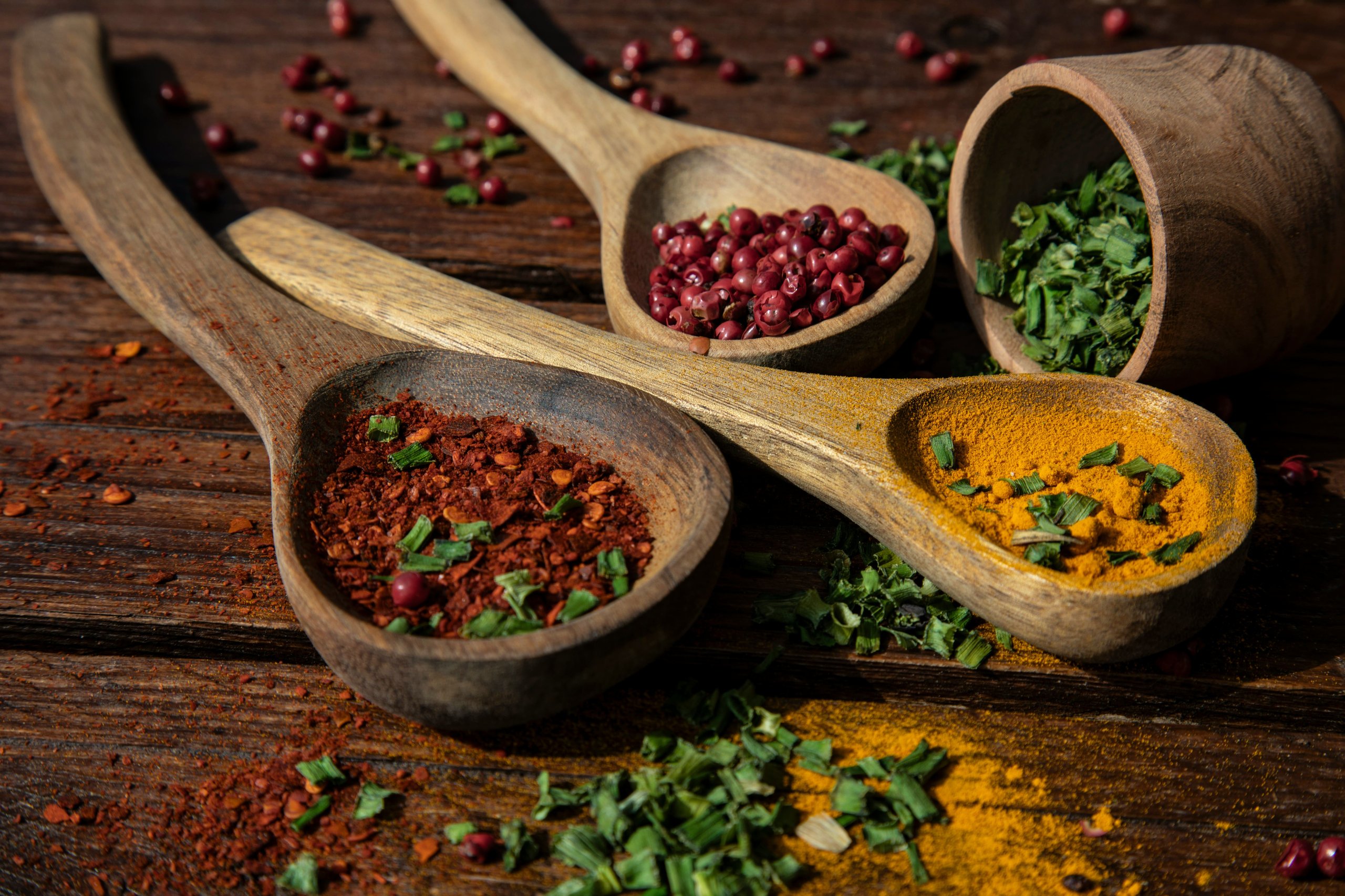
I've taken supplements for most of my adult life, but today I approach them very differently than I did twenty years ago.
The supplement industry has exploded. Walk into a health food store or spend ten minutes online and you'll find thousands of products promising to support energy, immunity, inflammation, longevity, detoxification, hormones, and just about everything else.
The problem isn't that supplements don't work. Many nutrients are essential to human biology, and deficiencies can have very real consequences.
The problem is guessing.
I don't want to take something simply because it's popular or because someone online told me everyone needs it. I want to know what my body needs, why I'm taking something, and what I'm trying to accomplish.
That's why supplementation became one of the five pillars of my approach.
Your Body Requires Raw Materials
Your body cannot function without nutrients.
Magnesium is involved in hundreds of enzymatic reactions. B vitamins are involved in energy metabolism and methylation. Zinc plays roles in immune function, DNA synthesis, and cellular repair. Selenium is required for antioxidant enzymes. Vitamin D functions more like a hormone than a traditional vitamin and influences hundreds of genes.
These aren't wellness trends. They're basic human biology.
But here's the mistake I see people make: knowing that a nutrient is important does not automatically tell you how much of it you need.
More isn't always better. Some nutrients compete with one another. Some accumulate. Genetics can influence how we process certain compounds. Medications can alter nutrient status. Diet, absorption, age, lifestyle, and health history all change the equation.
That's why I stopped treating supplementation like a shopping list.
Test. Don't Guess.
This became one of the core principles behind Be Resilient.
I wanted to go beyond a standard blood panel and look more deeply at my own terrain. Where were my vulnerabilities? What nutrients did my cells appear to need? Were there genetic pathways that could influence how I process certain nutrients? Were there patterns across my labs that mattered more when viewed together?
Then I wanted my supplementation to reflect that information.
Through Be Resilient, I take custom supplements formulated specifically around my own testing and health data. They aren't an off-the-shelf multivitamin with my name printed on the bottle. The purpose is to identify meaningful nutritional vulnerabilities and build a formula around the individual.
That's a very different philosophy from walking down a supplement aisle and buying fifteen things because they all sound healthy.
If I'm going to supplement something, I want a reason for it.
And when possible, I want data behind that reason.
My Custom Formula Isn't Everything I Take
Personalized supplementation creates my foundation, but it isn't the only thing I use.
There are additional compounds I've incorporated because of my personal goals and the research I found while studying cancer metabolism, inflammation, mitochondrial function, oxidative stress, immune function, and cellular health.
Some of these are included in my Resilience Protocol, but there are a few categories I think are especially worth understanding.
Vitamin D Is One I Pay Close Attention To
Vitamin D receptors are found throughout the body. It plays important roles in immune function, muscle function, inflammation, calcium regulation, and gene expression. Research has also repeatedly found associations between low vitamin D status and a number of poor health outcomes, including certain cancer outcomes.
My first choice for vitamin D is sunlight. Your skin is designed to produce vitamin D when exposed to UVB light, which is one of the reasons getting outside and getting appropriate sun exposure is part of my routine. But age, skin pigmentation, geography, season, lifestyle, and other factors can all affect how much vitamin D you're actually producing.
That's why I still test it. If my level isn't where I want it, supplementation gives me another tool to address it. When the body is fighting sickness, recovering, repairing tissue, or simply trying to function normally, I don't want an avoidable nutrient deficiency working against it.
I Care About Mitochondrial Support
Mitochondria are responsible for far more than simply "making energy." They participate in cellular signaling, oxidative balance, metabolism, and programmed cell death.
That became especially interesting to me as I studied cancer metabolism.
Compounds such as CoQ10 and PQQ have been studied for their roles in mitochondrial biology and cellular energy. Magnesium is also critical to ATP-dependent processes throughout the body.
These are examples of supplements I became interested in because I could connect what I was taking to an actual biological function.
That's the standard I try to use.
Don't start with the bottle. Start with the biology.
I Use Food Compounds in Concentrated Forms Too
Some of the compounds I use as supplements actually originate in foods.
Curcumin, for example, is one of the major active compounds studied in turmeric. EGCG is a polyphenol found in green tea. Apigenin is a flavonoid found naturally in foods such as parsley and chamomile. Compounds from medicinal mushrooms have also been extensively investigated for their interactions with immune function.
These compounds are interesting because researchers have studied their effects on numerous cellular pathways, including pathways involved in inflammation, oxidative stress, metabolism, cell signaling, and other areas relevant to cancer biology.
That doesn't turn them into cancer treatments.
But when there is meaningful research behind a compound and I understand why I'm taking it, I'm willing to look closely at whether it belongs in my own approach.
More Supplements Are Not the Goal
My goal isn't to take the most supplements. My goal is to take the right ones for the right reasons.
I've seen people with cabinets full of supplements who couldn't tell you why they're taking half of them. One person online recommends something, another podcast adds three more, and eventually they're swallowing dozens of capsules without any real strategy.
I don't think that's personalized health.
Start with your foundation. Eat real food. Get your nutrients from your diet whenever possible. Then use testing and your health history to identify where additional support may make sense.
From there, you can become more targeted based on your individual goals and circumstances.
Note: supplements can interact with medications and cancer treatments. If you're undergoing treatment, your oncologist and healthcare team need to know what you're taking. Something being "natural" doesn't automatically make it harmless or appropriate in every situation.
What I Would Do First
If I were starting over today, I wouldn't begin by asking, "What supplements should I take?"
I would ask a different question:
"What does my body actually need?"
Look at your diet. Look at your labs. Look at your nutrient status. Understand your health history. Look for patterns instead of chasing individual numbers.
That's the entire reason we built Be Resilient around comprehensive testing and personalization. I would rather identify a vulnerability and address it intentionally than spend years guessing.
Then, once the foundation is covered, look at the additional compounds that make sense for what you're trying to accomplish.
That's how I approach supplementation today. My personalized formulas address what we've identified through my own testing, while additional supplements in my Resilience Protocol are there because I've researched them and have a specific reason for using them.
FAQs
Straight answers about the book, the protocols, and the path forward.
Everything I share comes from a combination of my personal experience, more than 20 years working in health and wellness, and the research I've done throughout my own cancer journey. I've used many of the foods, supplements, therapies, and strategies I write about personally, but my approach has continued to evolve as I've learned more and as my own health has changed.
I don't believe everyone should simply copy what I did. Cancer isn't one disease, and two people with the same diagnosis can have very different health histories, nutritional needs, genetics, treatments, and overall terrain. My goal is to show you what I did, explain the science and thinking behind it, and help you ask better questions about what may make sense for you.
The Five Pillars are Faith, Diet, Supplementation, Detoxification, and Oxygenation. They became the framework I used to organize the major areas I focused on throughout my journey. Faith is the foundation underneath all of them, while the other four focus on supporting the environment, or terrain, in which my body and cells are functioning every day.
Your terrain is the internal environment your cells live in. It includes things like nutrient status, metabolic health, inflammation, blood sugar, immune function, circulation, gut health, sleep, stress, and environmental exposures.
I don't believe complex health can be understood by looking at one symptom or one lab result in isolation. That's why I look at the whole person and how these systems interact. It's also the philosophy behind Be Resilient, where comprehensive testing is used to identify patterns and build a more personalized terrain approach around the individual.
No. I share what I've personally done, what I've learned, and the research behind the subjects I discuss so you can become more informed about your health. This information isn't a substitute for individualized medical care, and decisions involving a diagnosis, medication, treatment, or major change to your health plan should be discussed with qualified healthcare professionals who understand your individual situation.
I believe you should learn as much as you can, ask good questions, seek wise counsel, pray about your decisions, and take an active role in your own health.
Still have questions?
Reach out directly. The mission is too important for confusion.