Why Faith Became the Foundation of My Healing
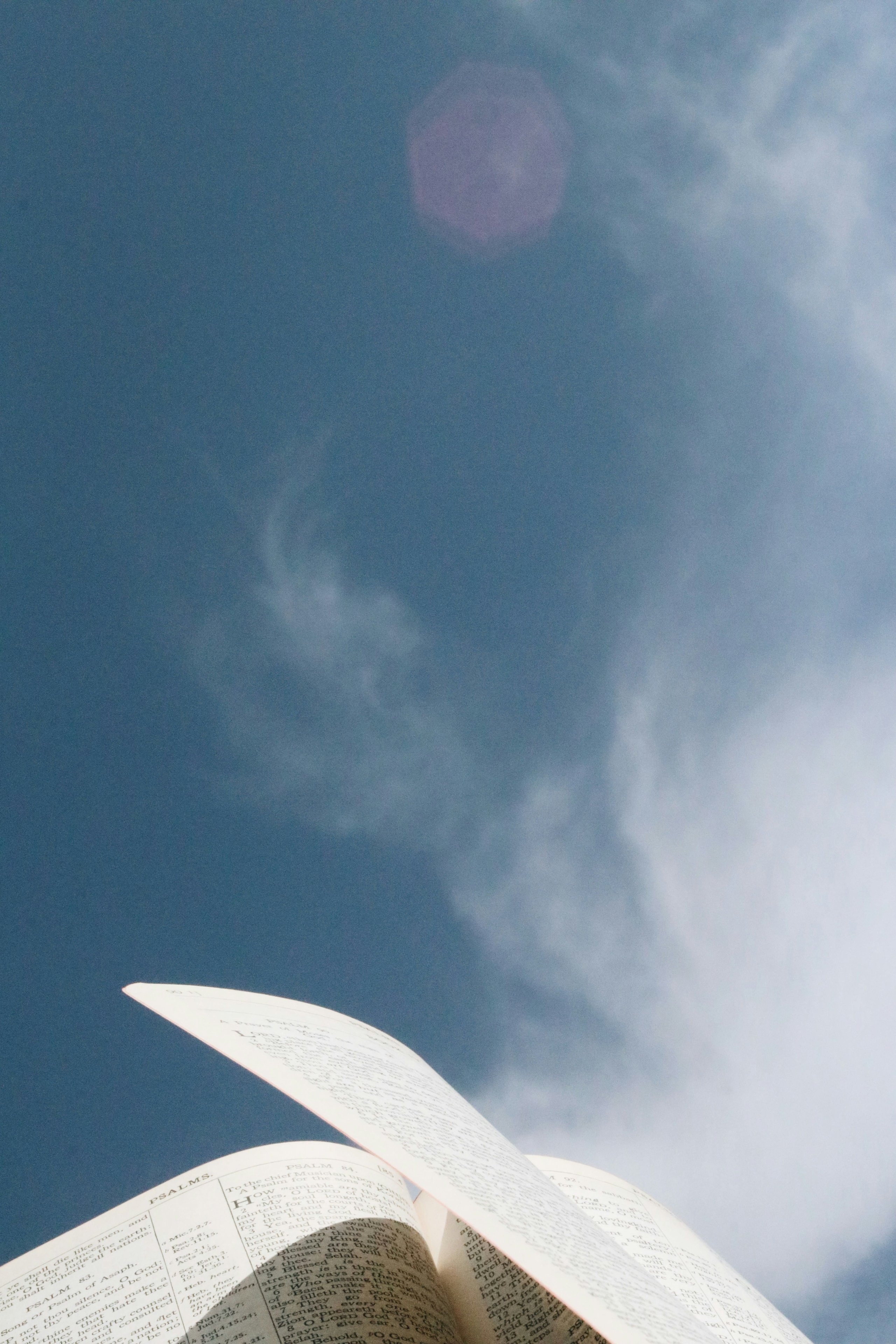
When I was diagnosed with Grade 4 brain cancer and given a 1% chance of being alive in eight months, I had a decision to make. I could allow that diagnosis to determine how I lived from that point forward, or I could continue believing what I had believed long before cancer ever entered my life.
For more than twenty years, I had taught people that health is more than what happens physically in the body. Diet matters. Sleep matters. Stress matters. The way we think matters. But above all of it, I believed faith mattered.
Then I was given the opportunity to find out whether I actually believed what I had been teaching.
Faith Came Before the Protocol
The night of my diagnosis, Stephanie, our kids, and I gathered together and prayed. We didn't know what the next eight months would look like. We didn't know which doctors we would meet, what treatments I would choose, or what the outcome would be.
What we did know was that God had not changed.
That night, we surrendered everything to Him. God met us with a peace that I still have a difficult time putting into words. The diagnosis hadn't changed, but our hearts had. Fear no longer had a place in our home.
That became the foundation for every decision that followed.
Over the months ahead, I researched constantly. I changed my diet, used targeted supplementation, focused on detoxification and oxygenation, traveled for treatments, underwent brain surgery, and continued looking for ways to support my body. I took those things seriously, and I still do.
But when I talk about <u>the five pillars I have used throughout my journey</u>, faith isn't simply another pillar alongside the other four. **Faith is the foundation underneath all of them.**
Faith Does Not Mean Doing Nothing
I have never believed that trusting God means sitting back and doing nothing. Scripture repeatedly tells us to seek wisdom, and I believe God gives us wisdom, people, resources, and opportunities for a reason.
I prayed, and I researched. I trusted God, and I asked questions. I believed God could heal me, and I still got on an operating table for an eight-hour brain surgery. I sought wisdom from doctors, scientists, practitioners, and people who knew far more than I did about certain areas of cancer.
For me, none of that competed with faith. It was part of walking it out.
I Still Believe God Heals
I believe God still heals today. I believe He still answers prayer, and I believe He still does miracles.
That belief didn't begin when I got a good scan. It was there the night I received the diagnosis.
I prayed for healing from the beginning. My family prayed for healing. Thousands of people around the world have prayed for me, and I will never take that for granted.
There were also things God was doing in me throughout this journey that had nothing to do with what showed up on an MRI. My relationship with Him deepened. My family prayed together differently. My priorities changed. Things I once thought were important suddenly weren't so important anymore.
Cancer was something I never would have chosen, but God has used this season in ways I never could have planned.
It's also one of the reasons I helped write <u>Healing Prayers for Cancer</u>. When you've been handed a diagnosis like this, you need more than positive thinking. You need truth. I wanted to put Scripture, prayer, and God's promises into the hands of people walking through the same kind of battle.
A Prognosis Is Not a Promise
Four months after being told I had a 1% chance of living eight months, I sat across from my medical team and heard words I will never forget. There was no evidence of active disease.
I will always be grateful for that report. But I don't believe my testimony began with a good scan. My testimony began the night my family gathered together and decided that cancer was not going to become greater in our home than our God.
That's what I want people to understand about faith.
If you're facing cancer or another difficult diagnosis, learn everything you can. Ask questions. Seek wise counsel. Take care of the body God gave you and <u>understand the options available to you</u>. I believe we should be good stewards of every resource and opportunity God places in front of us.
But never let a diagnosis become bigger than the God you serve.
I was given a statistic. I was given a prognosis. Those things were real, and I took them seriously. But I learned something through this journey that I will never forget:
A prognosis is not a promise.
I don't know what the rest of my story will look like, but I know who holds it. God is still on the throne. He still heals. He still answers prayer. He still does miracles.
That is why faith isn't simply one part of my approach to health.
**It is the foundation of everything.**
FAQs
Straight answers about the book, the protocols, and the path forward.
Everything I share comes from a combination of my personal experience, more than 20 years working in health and wellness, and the research I've done throughout my own cancer journey. I've used many of the foods, supplements, therapies, and strategies I write about personally, but my approach has continued to evolve as I've learned more and as my own health has changed.
I don't believe everyone should simply copy what I did. Cancer isn't one disease, and two people with the same diagnosis can have very different health histories, nutritional needs, genetics, treatments, and overall terrain. My goal is to show you what I did, explain the science and thinking behind it, and help you ask better questions about what may make sense for you.
The Five Pillars are Faith, Diet, Supplementation, Detoxification, and Oxygenation. They became the framework I used to organize the major areas I focused on throughout my journey. Faith is the foundation underneath all of them, while the other four focus on supporting the environment, or terrain, in which my body and cells are functioning every day.
Your terrain is the internal environment your cells live in. It includes things like nutrient status, metabolic health, inflammation, blood sugar, immune function, circulation, gut health, sleep, stress, and environmental exposures.
I don't believe complex health can be understood by looking at one symptom or one lab result in isolation. That's why I look at the whole person and how these systems interact. It's also the philosophy behind Be Resilient, where comprehensive testing is used to identify patterns and build a more personalized terrain approach around the individual.
No. I share what I've personally done, what I've learned, and the research behind the subjects I discuss so you can become more informed about your health. This information isn't a substitute for individualized medical care, and decisions involving a diagnosis, medication, treatment, or major change to your health plan should be discussed with qualified healthcare professionals who understand your individual situation.
I believe you should learn as much as you can, ask good questions, seek wise counsel, pray about your decisions, and take an active role in your own health.
Still have questions?
Reach out directly. The mission is too important for confusion.