
Why I Started Paying
Attention to What My
Body Has to Remove
I've focused on detoxification for years, but my cancer diagnosis made me look at it at a much deeper level.
We live in a world where we're exposed to compounds our bodies have to process every day through our food, water, air, household products, medications, and environment. Fortunately, the body was designed with systems that are constantly working to process and eliminate what it doesn't need.
Your liver transforms compounds so they can be eliminated. Your kidneys filter your blood. Your digestive tract removes waste through stool. Your lymphatic system helps move fluid throughout the body, and your skin provides another route of elimination through sweat.
So when I talk about detoxification, I'm not talking about a three-day juice cleanse.
I'm talking about supporting the systems God already designed to process, move, and eliminate waste.
That's why detoxification became one of the five pillars of my approach.
Detoxification Has an Order
One of the biggest mistakes I see people make with detoxification is trying to mobilize more than their body is prepared to eliminate.
Think about it logically. If you're trying to move compounds out of tissues, but you're constipated, dehydrated, nutrient depleted, and not eliminating well, where are those compounds supposed to go?
Your liver can package certain compounds into bile and send them into the intestinal tract for elimination. But some compounds in the gut can be reabsorbed and circulated back through the liver. This is known as enterohepatic recirculation.
Before I push detoxification harder, I want my pathways of elimination working. That means regular bowel movements, adequate hydration, minerals and electrolytes, proper nutrition, movement, and supporting liver, kidney, and lymphatic function.
And if somebody begins a detox and feels horrible, I don't automatically consider that a sign that it's working.
Sometimes it's a sign they're mobilizing faster than they're eliminating.
Why Binders Matter
Binders are an important part of how I approach more targeted detoxification.
The concept is simple. A binder stays primarily within the gastrointestinal tract and binds certain compounds so they can be carried out through the stool instead of remaining available for reabsorption.
This isn't just a holistic concept. Medicine uses the same basic principle. Activated charcoal binds certain substances in the gastrointestinal tract, and bile-acid sequestrants bind bile acids and interrupt their reabsorption.
Different binders also have different properties. Activated charcoal, chlorella, fibers, clays, and other compounds don't all bind the exact same things.
That's why I don't think about a binder as an afterthought. If I'm intentionally mobilizing something, I'm also thinking about how I'm going to capture it and get it out.
The goal isn't just mobilization.
The goal is elimination.
Coffee Enemas and Liver Support
Coffee enemas have also been a consistent part of my personal detoxification routine, especially throughout my cancer journey.
Coffee enemas have a long history within holistic and integrative health protocols. The idea is different from simply drinking coffee. Coffee is introduced into the rectum and held briefly before elimination, with the goal of supporting bowel elimination and processes involving the liver and bile.
One of the proposed mechanisms involves compounds in coffee such as cafestol and kahweol, which have been studied for effects on glutathione-related enzyme systems. Glutathione is one of the body's major endogenous antioxidants and plays an important role in normal detoxification pathways.
Coffee enemas also became useful to me from a very practical standpoint: they supported regular elimination while I was doing a lot of other things designed to support my terrain.
That's why they became such a consistent part of my routine.
Parasites and the Terrain
Parasites are another area I think deserves a more intelligent conversation.
Parasites are real organisms that can live in the gastrointestinal tract, blood, tissues, and other parts of the body. Depending on the organism, they can compete for nutrients, damage tissue, alter gastrointestinal function, and interact with the immune system.
That's why I don't look at parasite cleansing as simply taking a handful of herbs for a week.
I look at the terrain.
What does gastrointestinal function look like? Is elimination working? What exposures has the person had? What does their immune function look like? Are there symptoms or testing that give us a reason to look deeper?
There are also a number of herbs and naturally occurring compounds traditionally used in parasite protocols, including things like black walnut, wormwood, clove, garlic, and other botanicals.
For me, the bigger principle is the same as the rest of detoxification: understand what you're trying to accomplish, support elimination, and don't overwhelm the body in the process.
Why I Became Interested in Ivermectin and Mebendazole
I've also taken ivermectin and mebendazole at different points in my cancer journey.
Both drugs were originally developed for parasites, but that's not the reason they've become so interesting in cancer research.
Researchers have investigated ivermectin for effects on several cellular pathways involved in cancer biology, including cell signaling, mitochondrial function, cell-cycle regulation, and programmed cell death. Mebendazole has drawn interest for different reasons, including its effects on microtubules, which cells depend on during division.
That distinction matters.
The scientific interest isn't based on the idea that cancer is a parasite. It's based on what these drugs may do inside cancer cells.
Much of this research remains preclinical or early-stage, but drug repurposing is an area I continue to follow closely. When an inexpensive, established drug shows biological activity in areas relevant to cancer, I want to understand the research behind it.
That's what led me to incorporate these drugs at certain points in my own journey.
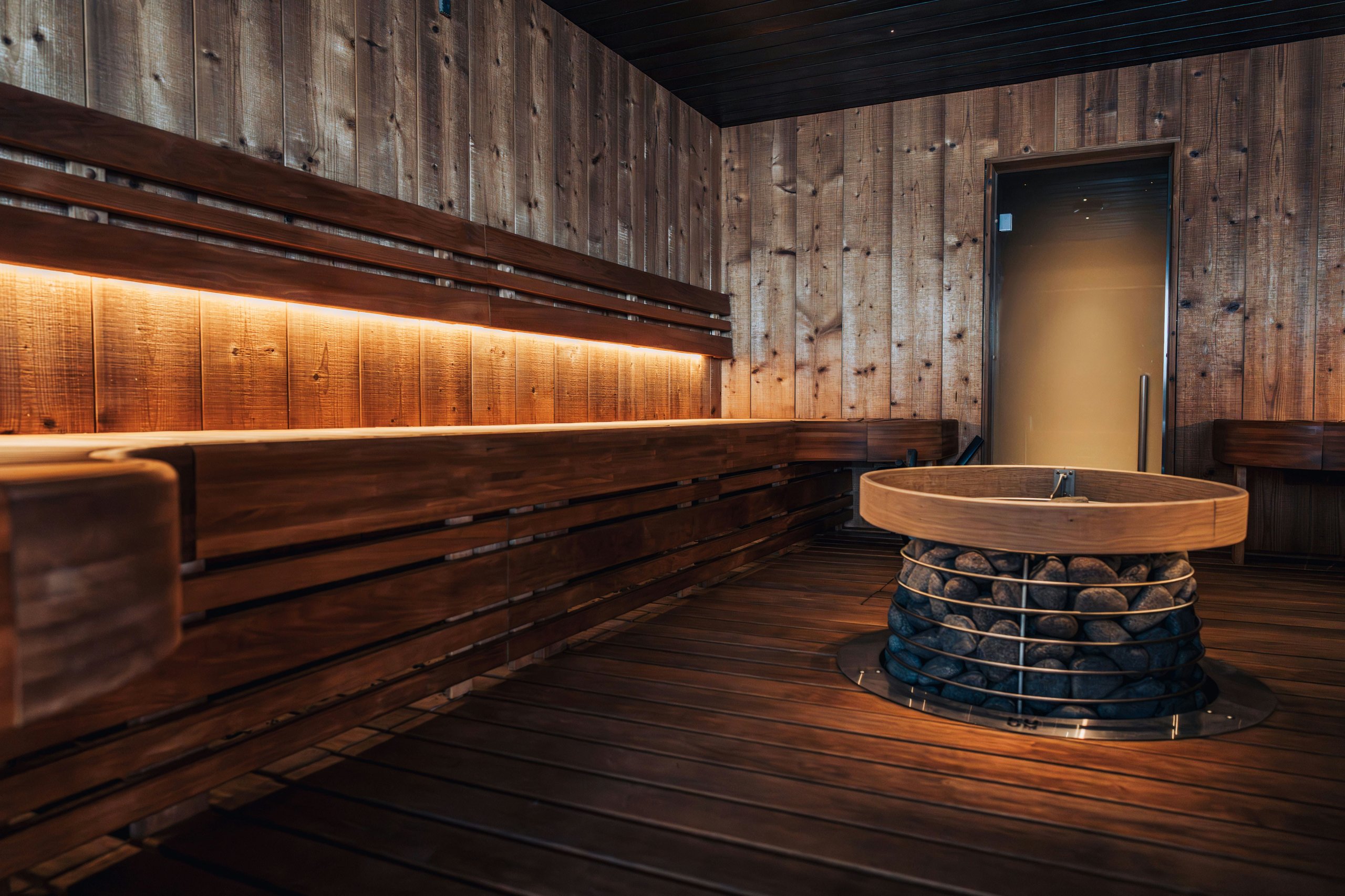
Saunas Are One of My Favorite Tools
Saunas have been part of my routine for years, and I use it for much more than sweating.
Sweating itself is one route through which the body can eliminate certain compounds. Researchers have detected metals including arsenic, cadmium, lead, and mercury in human sweat, which is one reason sweating has received attention in detoxification research.
But that's only one part of why I use a sauna.
Heat creates a controlled physiological stress. Your blood vessels dilate, circulation increases, heart rate rises, and your body activates heat-shock proteins and other cellular stress-response pathways.
Regular sauna use has been associated in human research with improved cardiovascular health, lower blood pressure, reduced arterial stiffness, and lower cardiovascular and all-cause mortality. Heat exposure is also being studied for its effects on inflammation, metabolic health, brain health, recovery, and longevity.
So I don't look at a sauna simply as a way to "sweat out toxins."
I look at it as heat therapy.
It's one of the tools I use to support circulation, sweating, cardiovascular health, cellular stress responses, and the overall terrain I'm trying to build.
Detoxification Starts With What You Do Every Day
You don't need an aggressive cleanse to begin supporting detoxification. Start by reducing the load you're asking your body to process. Drink clean water. Eat real food. Reduce unnecessary chemical exposures. Get enough protein, vitamins, minerals, and other nutrients your liver and other detoxification systems require to do their jobs.
Then support elimination. Keep your bowels moving, hydrate, move your body to support circulation and lymphatic flow, sweat when appropriate, and prioritize sleep.
But there's another part of this that I think is incredibly important: your body needs enough reserve to handle what you're asking it to do.
If someone is extremely depleted, losing weight and muscle, dehydrated, nutritionally deficient, or struggling just to maintain normal function, my first thought isn't, "How aggressively can we detox this person?" My first thought is, "How do we build this person back up?"
Detoxification itself requires resources. The liver's detoxification pathways depend on amino acids, vitamins, minerals, glutathione, and energy. Sweating increases fluid and electrolyte losses. More aggressive protocols can place additional demands on a body that may already be under tremendous stress.
That's why I believe replenishment often has to come before aggressive detoxification.
Restore hydration. Replenish minerals and nutrients. Get adequate protein and calories. Support digestion and regular elimination. Build strength and metabolic reserve. Then, as the terrain improves, more targeted tools such as binders, sauna, coffee enemas, parasite protocols, and other strategies can be layered in based on what you're trying to accomplish.
I think the biggest mistake is believing more detox is always better. It's not. The goal is to increase the body's ability to process and eliminate without depleting the body in the process.
Your body detoxifies every day. My goal is to reduce what unnecessarily goes in, give the body the resources it needs to do its job, and make sure what needs to leave has a way out.
That's how I approach detoxification.
FAQs
Straight answers about the book, the protocols, and the path forward.
Everything I share comes from a combination of my personal experience, more than 20 years working in health and wellness, and the research I've done throughout my own cancer journey. I've used many of the foods, supplements, therapies, and strategies I write about personally, but my approach has continued to evolve as I've learned more and as my own health has changed.
I don't believe everyone should simply copy what I did. Cancer isn't one disease, and two people with the same diagnosis can have very different health histories, nutritional needs, genetics, treatments, and overall terrain. My goal is to show you what I did, explain the science and thinking behind it, and help you ask better questions about what may make sense for you.
The Five Pillars are Faith, Diet, Supplementation, Detoxification, and Oxygenation. They became the framework I used to organize the major areas I focused on throughout my journey. Faith is the foundation underneath all of them, while the other four focus on supporting the environment, or terrain, in which my body and cells are functioning every day.
Your terrain is the internal environment your cells live in. It includes things like nutrient status, metabolic health, inflammation, blood sugar, immune function, circulation, gut health, sleep, stress, and environmental exposures.
I don't believe complex health can be understood by looking at one symptom or one lab result in isolation. That's why I look at the whole person and how these systems interact. It's also the philosophy behind Be Resilient, where comprehensive testing is used to identify patterns and build a more personalized terrain approach around the individual.
No. I share what I've personally done, what I've learned, and the research behind the subjects I discuss so you can become more informed about your health. This information isn't a substitute for individualized medical care, and decisions involving a diagnosis, medication, treatment, or major change to your health plan should be discussed with qualified healthcare professionals who understand your individual situation.
I believe you should learn as much as you can, ask good questions, seek wise counsel, pray about your decisions, and take an active role in your own health.
Still have questions?
Reach out directly. The mission is too important for confusion.